A Kinder Way to Feed Garden Birds: When, What, & Why 

May 1, 2026 • Joel Carino

There’s something quietly joyful about watching birds visit your garden. 

A robin hopping along the fence. Sparrows chattering in the hedge. A blackbird tugging at the lawn. Even the smallest outdoor space can become a little haven for wildlife when we give birds what they actually need: foodwatersheltersafety, and space to thrive

For many of us, the first instinct is to put food out. Sure, feeding garden birds can be a wonderful way to support them, especially when natural food is harder to find. 

But helping birds is not just about filling a feeder. 

It is about understanding the following:  

  1. When to feed 
  2. What to offer as food 
  3. How to feed birds safely 

We’ll answer these three in this article. 

Why Feeding Garden Birds Matters 

Feeding garden birds can be one of the simplest ways to support local wildlife. 

Birds face many challenges, from habitat loss and changing food sources to extreme weather and disease. In colder months, natural food can become harder to find, and a little extra support can help birds conserve precious energy. 

But feeding birds also comes with responsibility. 

When many birds gather around the same feeding spot, illness can spread more easily. Greenfinches, for example, had their population decline by more than 65% over the last three decades because of a disease called trichomonosis. 

Feeding birds is never wrong, but as RSPB sternly reminds us: feeding birds is kindest when we do it seasonally and safely

  • Garden Bird
  • Garden Bird

When Should You Feed Garden Birds? 

Birds’ needs change throughout the year, so the way we help them should change too. 

Winter: The most important time to offer support 

Winter is when garden birds often need the most help. Food is harder to find, insects are less active, and berries may already have been eaten.  

Offer a wide range of high-energy food to help birds get through long nights and cold days. 

Spring: Support nesting birds carefully 

Spring is a busy time in the garden. Birds are nesting, laying eggs, and feeding chicks, so protein-rich foods like mealworms can be helpful but do it in moderation. 

The goal is to support natural feeding, not replace it. Birds should still be encouraged to forage for insects, seeds, and other natural foods. 

Summer: Feed less and let nature do more 

Summer usually brings more natural food, from insects and caterpillars to seeds and berries. During this time, it’s better to reduce feeding to encourage birds to rely more on natural food sources. 

Excessive bird feeding during summer can be a higher-risk time for disease to spread at busy feeders, especially if food becomes damp or contaminated. 

Autumn: Help birds prepare, but keep it clean 

Autumn is a transition season. Birds begin building energy reserves ahead of colder weather, but natural food is often still available. 

During autumn, keep feeding light, clean, and carefully managed. The goal is to not let birds depend entirely on your feeder as food source. 

What Should You Feed Garden Birds? 

The best bird food depends on the season, the species visiting your garden, and how safely you can offer it. 

A variety of foods can attract different birds and meet different needs. Here is a quick breakdown: 

  • Seeds and seed mixes: Helpful in colder months when natural food is harder to find and birds need extra energy. One example is sunflower seeds.  
  • Fat-based foods: Valuable because they give birds quick, concentrated energy, especially in winter when they burn more calories staying warm.  
  • Peanuts: Useful because they are rich in fat and protein, but they should be offered in a proper peanut feeder to reduce choking risk and mess.  
  • Mealworms: Helpful because they provide protein, especially during nesting season when birds are feeding chicks. Offer small amounts and remove leftovers.  
  • Kitchen scraps: Useful as an occasional extra, not a main food source. Plain rice, pasta, mild cheese, and soft fruit can work, but avoid salty, processed, mouldy, or spoiled food. 

What Should You Avoid? 

Feeding birds is about quality and safety, not just generosity. 

Avoid: 

  • Bread as a regular food 
  • Salty or processed foods 
  • Milk, which birds cannot digest 
  • Mouldy or spoiled food 
  • Damp food left sitting in feeders 
  • Overfilling feeders when food is not being eaten quickly 

It is better to offer a smaller amount of good food than a large amount that sits around and becomes unsafe. 

  • Garden bird
  • Garden Bird

Creating a Bird-Friendly Garden 

Food is only one part of helping birds. 

A truly bird-friendly garden gives birds what they need beyond the feeder: water, shelter, safety, and natural food. 

Fresh Water 

Birds need water for drinking and bathing. If you use a bird bath, change the water daily where possible and clean it regularly, as dirty water can spread disease just like dirty feeders. 

If you have the space, a pond is even better. Even a small one can attract insects, support biodiversity, and create a more natural drinking spot. 

Shelter and Safety 

Birds need safe places to rest, hide, and nest. Shrubs, hedges, trees, climbers, and wilder corners all help. 

Place feeders near cover so birds can retreat quickly, but avoid putting them directly beneath roosting spots where droppings may contaminate food. 

If cats visit your garden, keep feeders away from easy ambush points. 

Clean Feeding Areas 

If you feed birds, cleaning is part of the kindness. 

Wash feeders regularly with hot soapy water, rinse well, and let them dry before refilling. Clear old food and droppings from below feeders too. 

It also helps to move feeders now and then, so mess does not build up in one place. 

Bird-Friendly Planting 

One of the best long-term ways to support birds is to help them find their own food. 

Sunflowers, teasels, ivy, native hedges, wildflowers, and pesticide-free planting can provide seeds, berries, shelter, and insects. 

Leaving seedheads standing through autumn and winter gives birds a natural food source. 

  • Garden Bird
  • Garden Bird

A Small Act of Kindness That Adds Up 

Feeding garden birds is not about doing everything perfectly. It is about paying attention. 

Are the feeders clean? Is the food being eaten quickly? Are birds gathering in large numbers? Is there natural food in the garden too? 

Addressing these questions makes a real difference. And when lots of people make those small changes, the impact grows. 

How Bare Kind Fits Into This Story 

At Bare Kind, caring about animals is at the heart of everything we do. 

Our mission is simple: to save the world’s animals one sock at a time. 

Every pair of socks is inspired by an animal, and 10% of the profits from each pair goes directly to charities that help protect that species. 

So, while feeding garden birds safely is one way to support wildlife close to home, choosing products that give back is another way to support animals more widely. 

It all comes back to the same idea: small choices can create a real impact. 

Socks That Celebrate Birds 

If birds brighten your day, Bare Kind’s bird-inspired socks are a lovely way to carry that joy with you. 

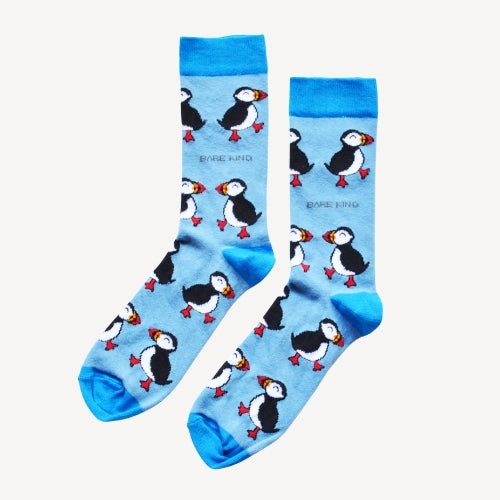
Bare Kind’s bird range includes Puffin Socks, Swift Socks, Osprey Socks, Barn Owl Socks, Seagull Socks, Pheasant Socks, Turkey Socks, and more. 

Each pair celebrates a unique species and helps support conservation efforts tied to that animal. 

They are also designed to feel as good as they do good, made from soft, breathable bamboo with features created for durability, freshness, and a snug fit. 

  • Person wearing swift socks on a wooden floor
  • Person wearing turkey sock with on a wooden floor

In Conclusion 

Feeding garden birds is one of the easiest and most rewarding ways to connect with wildlife. 

But the way we feed matters. 

By offering the right foods at the right time, keeping feeders clean, avoiding overfeeding, providing fresh water, and planting natural food sources, we can make our gardens safer and more supportive for birds throughout the year. 

Back to blog

Leave a comment

Please note, comments need to be approved before they are published.