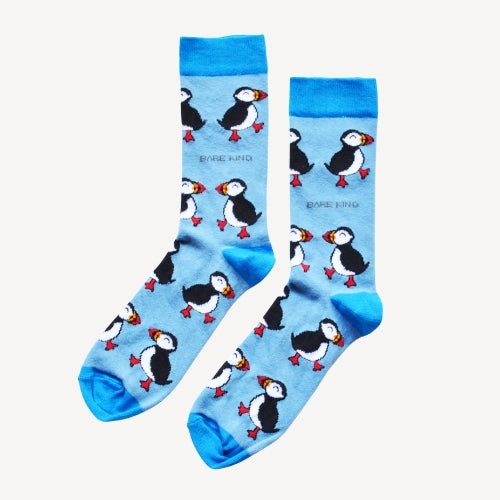

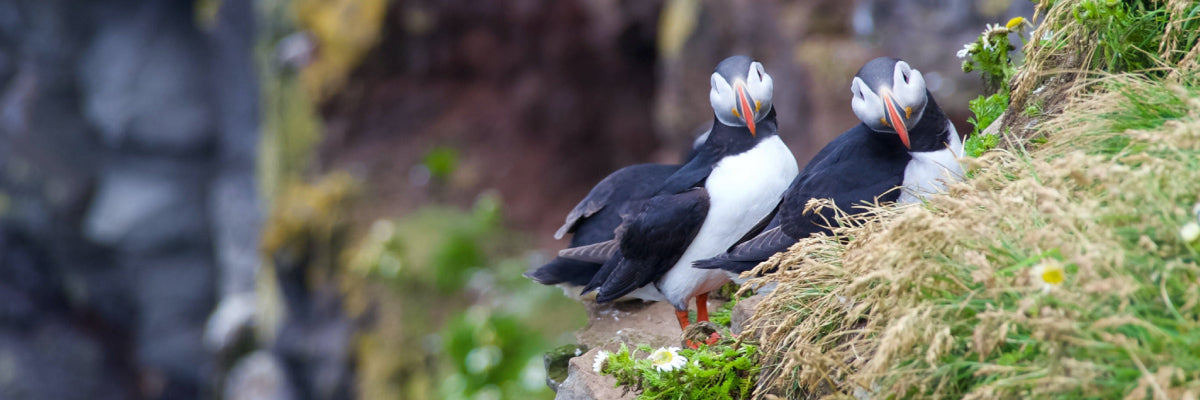
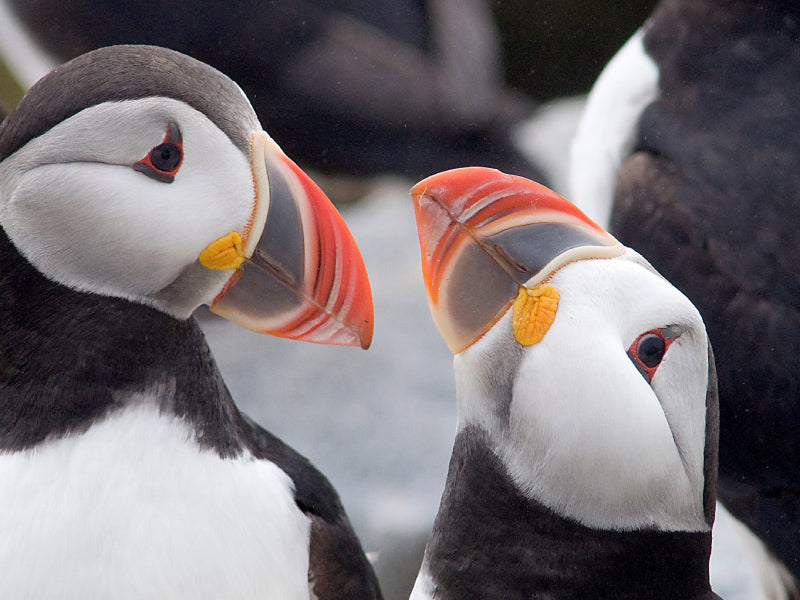
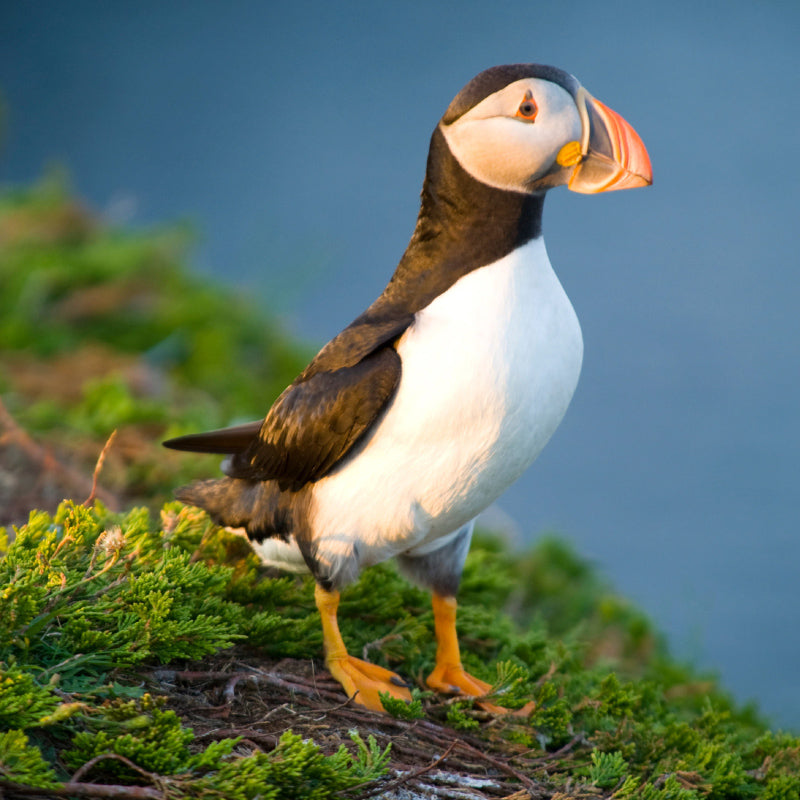
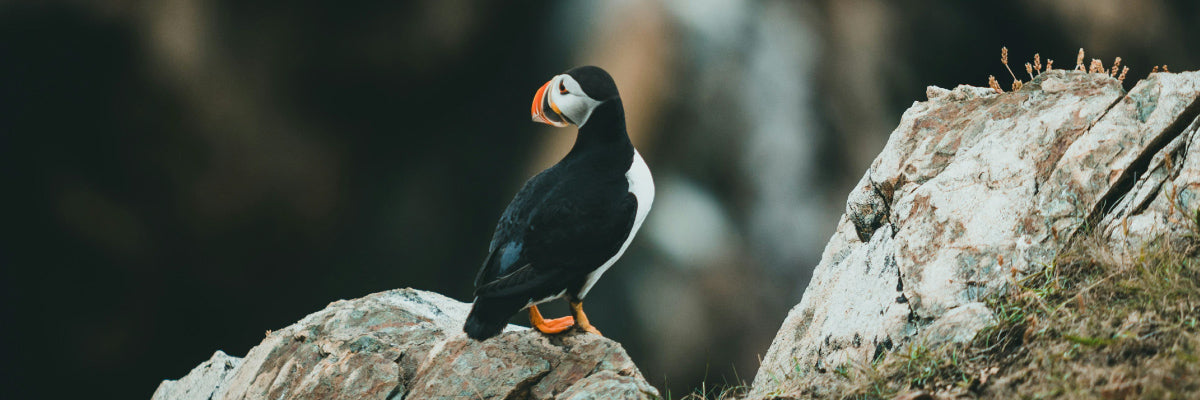
Puffins are one of the UK's most beloved and iconic seabirds, but they are currently under threat due to a range of factors including climate change, overfishing, and habitat loss.
The UK's puffin population has declined by over 30% in the past decade, and they are now listed as "vulnerable" to extinction by the International Union for Conservation of Nature (IUCN).
There are several reasons why it is important to help puffins in the UK. First and foremost, puffins are an important indicator species for the health of marine ecosystems.
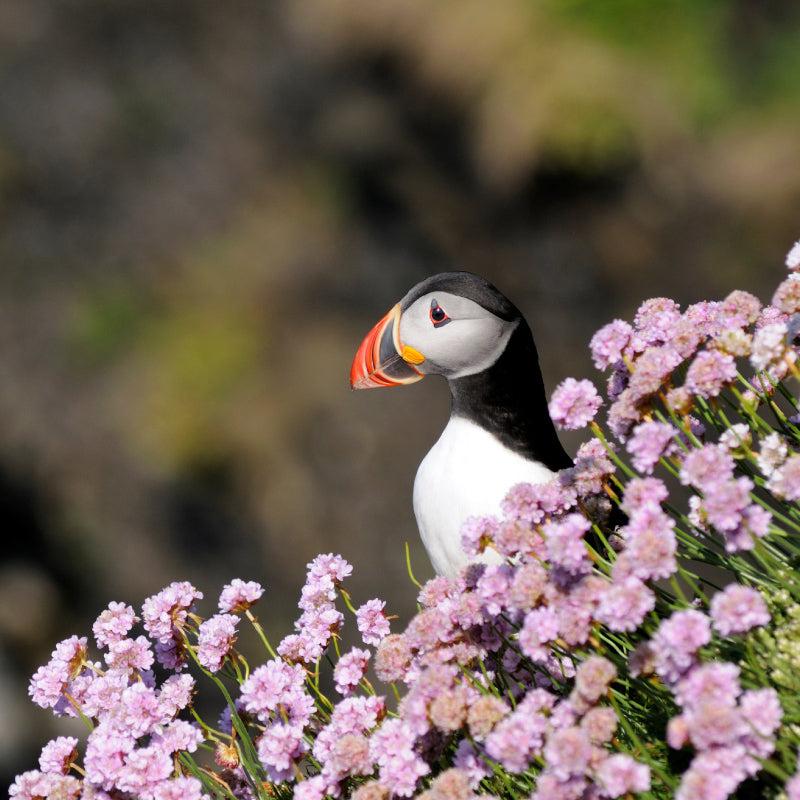
By protecting puffin populations, we can help to ensure the health and sustainability of the entire marine environment.
Additionally, puffins are an important part of the UK's natural and cultural heritage, and their loss would be a significant blow to the country's biodiversity and tourism industry.
Charities working to protect puffins in the UK are focusing on measures such as habitat restoration, reducing pollution and overfishing, and monitoring and research to better understand the factors that are contributing to their decline.
By supporting these efforts, we can help to ensure that future generations will be able to enjoy the sight of these beautiful birds on the UK's coastlines.
The Scottish Seabird Centre is a charity based in North Berwick, Scotland, that aims to promote the conservation and welfare of seabirds in the UK. Their work is important because seabird populations in the UK have been declining for decades due to a range of factors including climate change, habitat loss, and pollution.
The charity's main focus is on education and public engagement, with a range of exhibits, events, and activities designed to raise awareness of the importance of seabirds and their habitats. They also carry out research and monitoring of seabird populations, working with partner organisations to develop conservation strategies and implement practical measures to protect these birds.
In addition to their work on seabirds, the Scottish Seabird Centre also operates a rescue and rehabilitation centre for marine wildlife, providing care and support to sick and injured animals such as seals, otters, and dolphins. Overall, their work is vital for ensuring the continued survival of Scotland's rich and diverse marine ecosystem, and for inspiring the next generation of conservationists and wildlife enthusiasts.
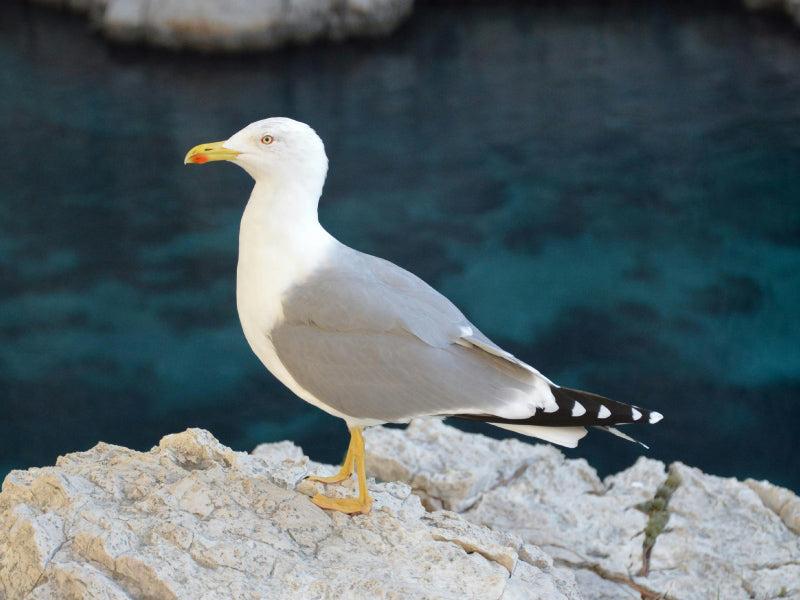
Seagulls are masters of the seashore. They can live practically anywhere—beaches, cities, parking lots, name it. While they’re often associated with the coast, there are actually many species of gulls that live inland too. What makes seagulls such formidable creatures is their sharp intelligence. Studies have shown that they can count, use tools, and even follow human behavior to score an easy meal. Though seagulls can survive in almost any environment, their population is decreasing over time. This is due to oil spills, habitat destruction, human disturbance and fishing activities.

Gannets are among the most impressive seabirds found around the coasts of the UK. These striking birds are instantly recognisable by their bright white plumage, black wingtips, and long pointed wings. They are expert hunters, often seen soaring high above the sea before plunging into the water at remarkable speeds to catch fish. While Northern Gannets are found across the North Atlantic and are currently classified as a species of Least Concern globally, they face increasing pressures closer to home and are listed on the UK's Amber List of Birds of Conservation Concern.

The UK is home to some of the world's most important gannet colonies, with huge numbers breeding on remote cliffs and rocky islands around Scotland, Northern Ireland, and Wales. These colonies are vital to the global population, making the protection of UK breeding sites particularly important. Gannets spend much of their lives at sea, relying on healthy marine ecosystems to provide the fish they need to survive and raise their young.
Despite their global population remaining relatively stable, gannets face several challenges. Climate change is affecting the distribution of fish stocks, making it harder for breeding birds to find food. Pollution, including discarded fishing gear and marine plastics, can injure or kill seabirds, while outbreaks of avian influenza have had devastating impacts on some colonies in recent years. As gannets breed in large numbers at relatively few locations, local threats can have significant consequences for the wider population.

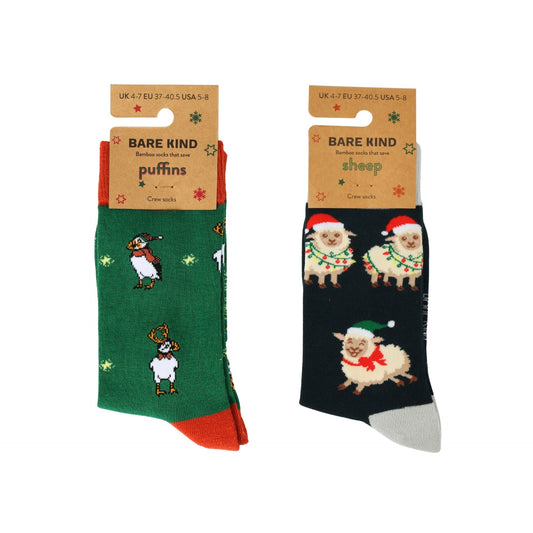
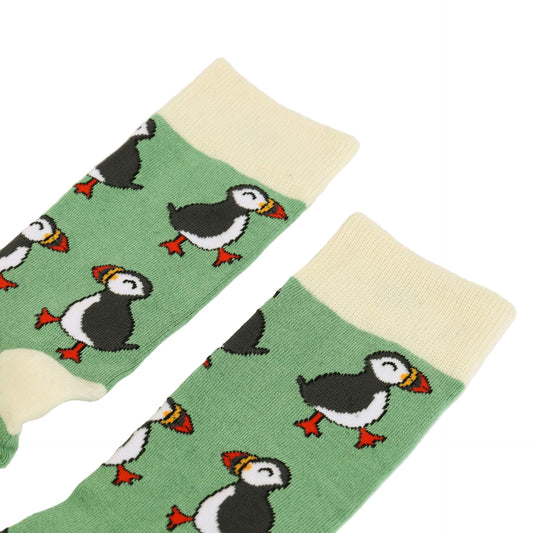
We donate 10% of profits from your puffin and seagull socks to

-
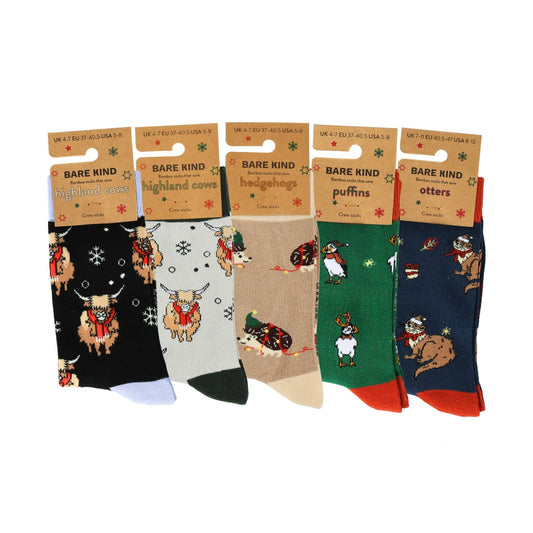
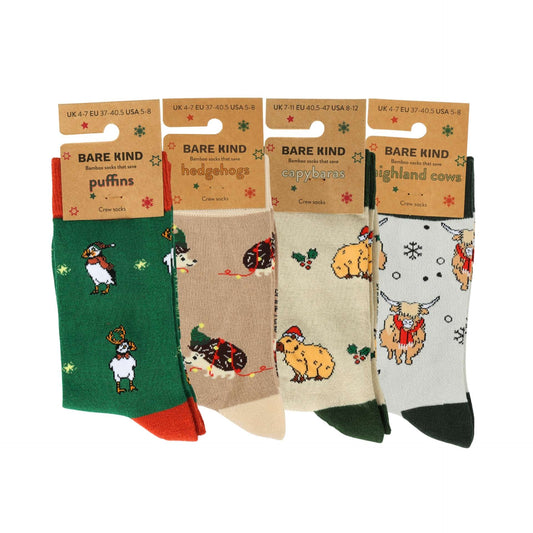
Save the Christmas Puffin Bamboo Socks
Regular price $15.99Regular price -
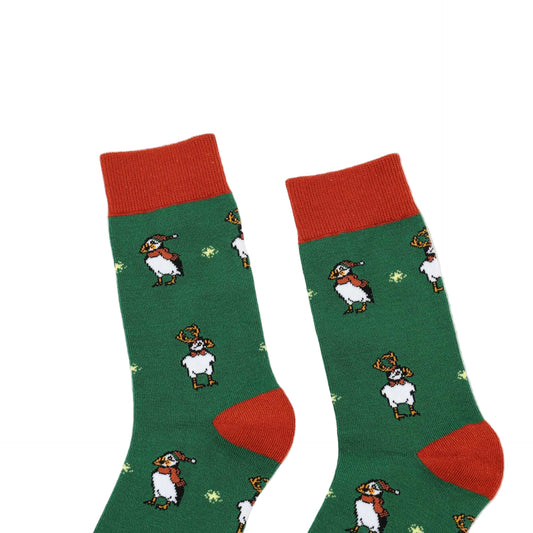
Bare Kind’s 2026 Christmas Range Bundle of 7
Regular price $81.00Regular price$90.00Sale price $81.00Sold out -
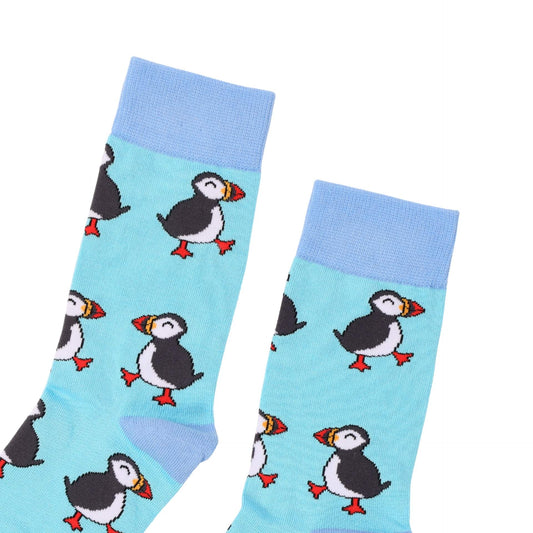
Save the Puffins Bamboo Socks
Regular price $15.99Regular price -
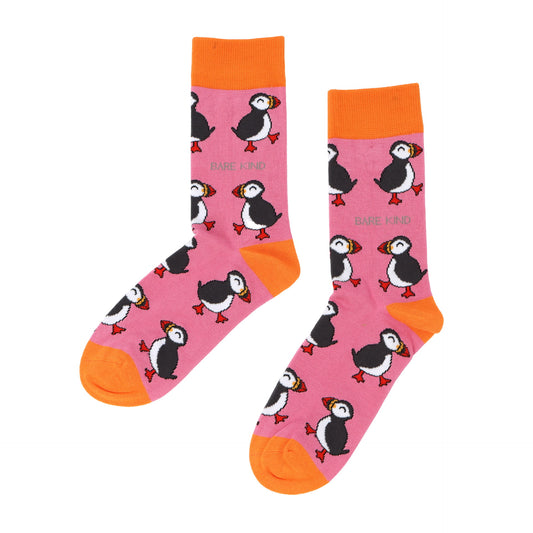
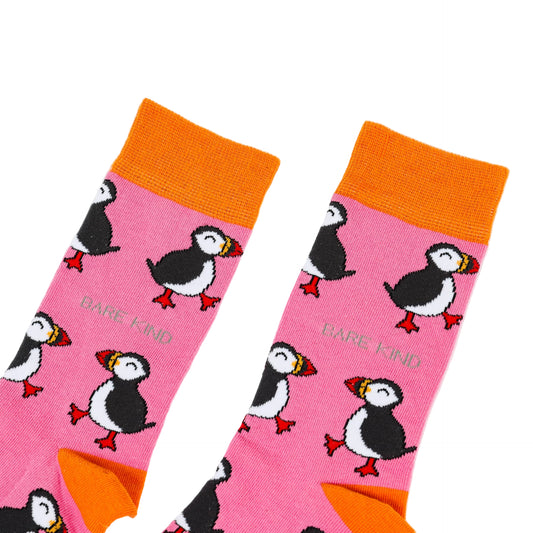
Save the Pink Puffin Bamboo Socks
Regular price $15.99Regular price -
Save the Polka Dot Puffin Bamboo Socks
Regular price $15.99Regular price -
The Best of Bare Kind Christmas Bundle of 4
Regular price $47.00Regular price$52.00Sale price $47.00Sold out -
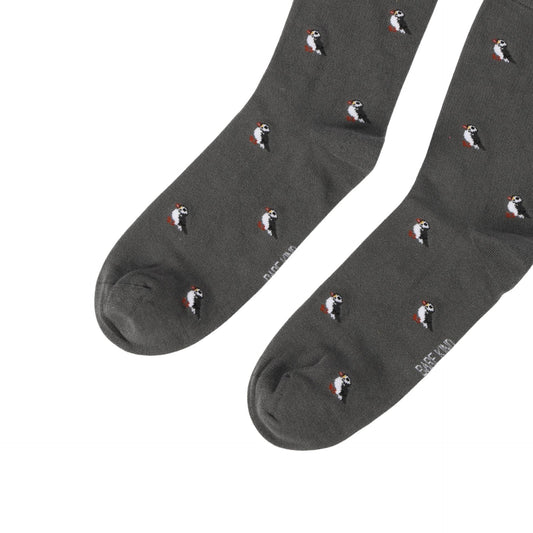
Save the Puffin Small Motif Bamboo Socks
Regular price $15.99Regular price -

 Sold out
The Christmas Green Duo Bundle of 2
Regular price $24.00Regular price$26.00Sale price $24.00Sold out -
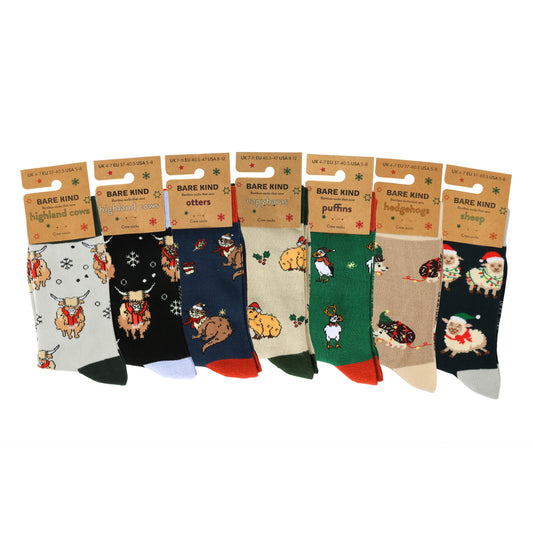
Save the Green Puffin Bamboo Socks
Regular price $15.99Regular price -

 Sold out
The Christmas Rainbow Bundle of 5
Regular price $58.00Regular price$65.00Sale price $58.00Sold out










Our philosophy
Restoring the biodiversity of our planet and its varied species is at the core of Bare Kind’s mission. By donating 10% of gross profits to charities that support the animals on our socks, we can continue fighting the fight against species extinction.
Bare Kind has been able to achieve an all-time high of donations in recent years. The business expanded its sock range to 40+ pairs and supports 35+ charities.
Our Charity Impact Reports highlight the projects we have been able to fund with our charity partners and the incredible animals we support.
Our hope is that something as humble as a pair of socks can make a lasting impression on our world and change it for the better. A huge thank you goes out to all our customers who have wanted to make a difference and empower the restoration of our planet with their socks.
Recent blog posts
View all-

Why Our RSPB Partnership Means So Much
Lucy JeffreyWhy Our RSPB Partnership Means So Much
Lucy Jeffrey -

The Secret Life of Bass Rock: Home to the World...
Grace MicereThe Secret Life of Bass Rock: Home to the World...
Grace Micere -

Why Should People Support Animal Charities?
Grace MicereWhy Should People Support Animal Charities?
Grace Micere